Locked out? Need a rekey? Our nationwide guide shows you exactly how to find a licensed, background-checked locksmith nearby -- and understand fair pricing in your area.
A locksmith is one of those services most people never research until they need one urgently. That puts you in a vulnerable position -- rushed, stressed, and more likely to hire someone unreliable. This guide gives you everything you need to find a trusted, licensed locksmith nearby, whether you're locked out right now or planning ahead.
Understanding what service you need helps you describe the job clearly and avoid being upsold on work you don't need.
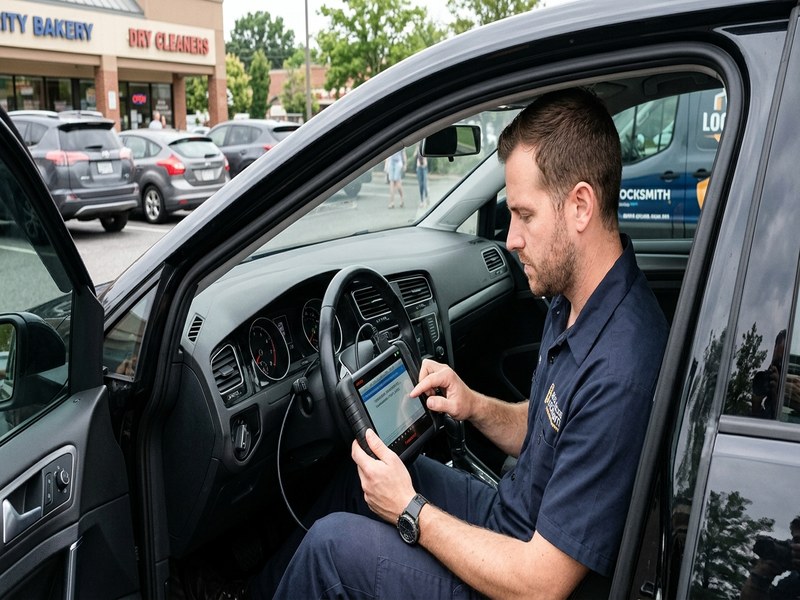
Locked keys in your car or broken key in the ignition? A locksmith can open your vehicle without damage in most cases. Average cost: $95-$155.
Learn more ›
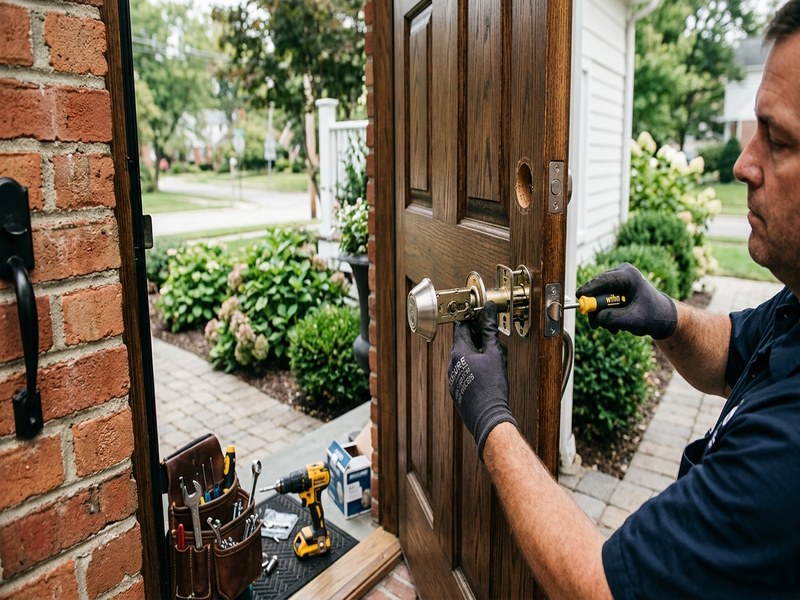
Locked out of your house or apartment? A locksmith can pick or bypass most residential locks without cutting new keys. Average cost: $75-$125.
Learn more ›
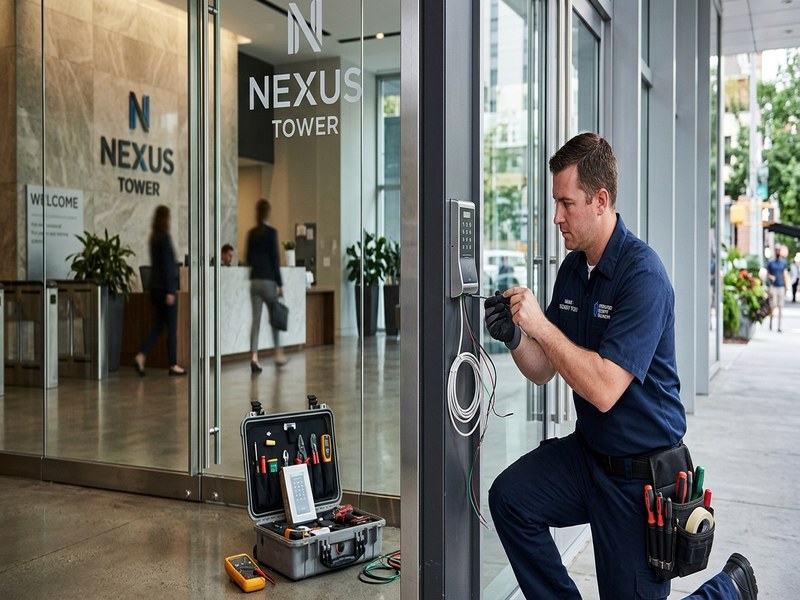
Office lockouts, access control installation, master key systems, and panic bar service. Commercial locksmiths handle business security needs.
Learn more ›
Moving in? Lost a key? Rekeying changes the internal pins so old keys no longer work. Cheaper than full replacement. Average cost: $65-$115 per lock.
Learn more ›
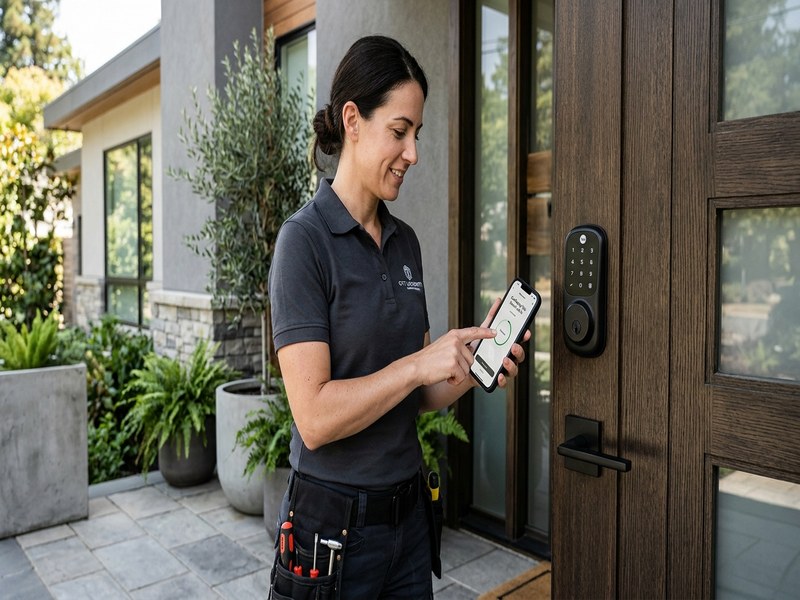
Keypad, fingerprint, or app-controlled smart locks require proper installation for reliable security. Average install cost: $150-$250 including hardware.
Learn more ›
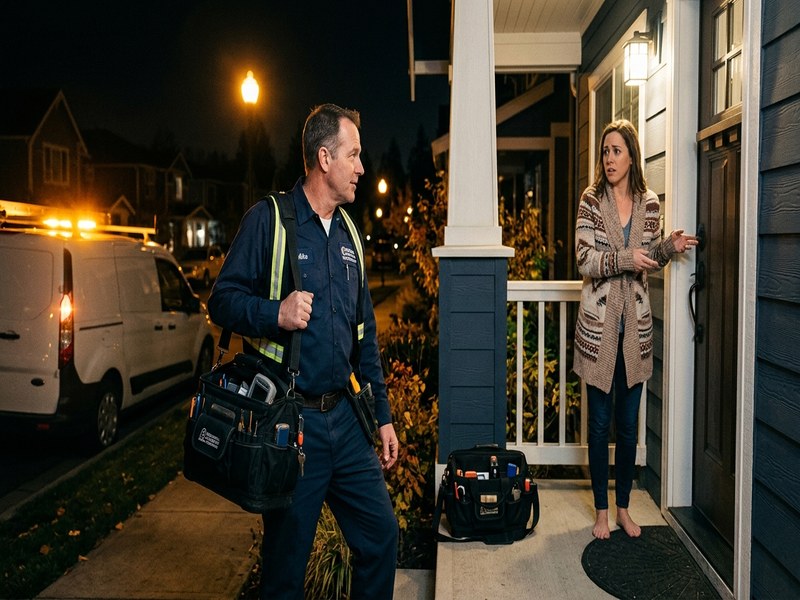
When you're locked out, stranded, or facing a security breach, emergency locksmiths prioritize your call. Expect after-hours surcharges of $25-$50.
Learn more ›
Licensing requirements for locksmiths vary significantly by state. As of 2026, approximately 15 states require a specific locksmith license, while others require a general contractor or business license. Hiring an unlicensed locksmith not only puts your security at risk -- it may leave you with no legal recourse if damage occurs.
Licensed locksmiths have passed background checks and meet professional standards. For California, that's the Bureau of Security and Investigative Services (BSIS). For Texas, it's the Department of Public Safety. Choosing a state-licensed locksmith means hiring someone who is accountable and insured.
A local locksmith arrives faster, knows the neighborhood, and is accountable to the local community -- factors that matter enormously in emergencies.
A locksmith based near you can arrive in 20-30 minutes. One dispatched from 40 miles away may take 60-90 minutes -- a significant difference when you're stranded in a parking lot at night.
Local locksmiths have a reputation to protect in the community. They rely on word-of-mouth and local reviews. Remote dispatch centers with rotating contractors have no such accountability.
A nearby locksmith with a physical shop address offers clear accountability. You can visit their storefront, check their reviews, and find genuine local feedback from real customers.
A professional locksmith quotes by service type and lock complexity -- service call fee, labor, and any parts -- so you know the total before anyone arrives.
A skilled locksmith uses picking and bypass methods before any drilling. Drilling is a last resort, used only when a lock is severely damaged or a high-security model that cannot be picked.
A licensed locksmith carries identification and provides an itemized invoice listing all charges. This is standard practice for any professional provider.
Professional locksmiths accept major credit cards. This gives you a paper trail and the ability to resolve billing questions after the job.
Established locksmiths have a business address, a Google Business Profile with real reviews, and a phone number that connects to someone familiar with the local area.
A professional locksmith sticks to the agreed price. If scope changes (for example, a lock needs replacing rather than picking), they explain the reason and give you a new total before proceeding.
Prices vary by location, lock complexity, and time of day. These national averages help you recognize fair pricing for your area.
| Service | National Average | Typical Range | After-Hours Add-on | Notes |
|---|---|---|---|---|
| Car Lockout | $95-$155 | $75-$200 | +$25-$50 | Check roadside assistance first -- may be free |
| Home Lockout | $75-$125 | $55-$175 | +$25-$50 | Price rises for high-security or deadbolt locks |
| Lock Rekeying (per lock) | $65-$115 | $45-$150 | +$25-$50 | Much cheaper than full lock replacement |
| Deadbolt Installation | $100-$175 | $80-$250 | +$25-$50 | Includes hardware if locksmith supplies it |
| Smart Lock Installation | $150-$250 | $125-$350 | +$25-$50 | Includes setup, pairing to app |
| Car Key Duplication (basic) | $20-$65 | $15-$90 | Varies | Transponder chip keys are more expensive |
| Transponder Key Programming | $150-$350 | $100-$500 | +$25-$75 | Depends heavily on vehicle make and model |
| Commercial Lock Change | $200-$450 | $150-$700 | +$50-$100 | Includes commercial-grade hardware and labor |
Prices sourced from ALOA member surveys, Angi cost data, and HomeAdvisor 2024-2025 regional reports. Actual costs vary by market.
Follow these four steps whether you need a locksmith right now or want to find one before an emergency occurs.
Search "locksmith near me" in Google Maps specifically. Map listings show physical addresses, photos of the actual shop, and verified reviews. Avoid ad-only results at the top of a regular Google search -- these frequently list call centers, not actual locksmiths.
Look for at least 20 reviews and a 4.5-star average. Read the 3-star reviews -- they're usually the most honest. Check if the business owner responds to complaints. Established local businesses typically respond to reviews across the board -- look for owner responses to all rating levels.
Choose a locksmith with a state license, which confirms they have passed a background check and meet professional standards. ALOA.org has a verified member directory you can search by zip code.
Ask for the total price including service call fee, labor, and any hardware costs. Get it confirmed verbally (or in writing if non-emergency). A legitimate locksmith will give you a straight answer. If they hesitate or give a vague range, call someone else.
Smart locks offer keyless convenience and remote access, but traditional deadbolts are proven, low-maintenance, and don't depend on batteries or Wi-Fi. The right choice depends on your lifestyle and security needs.
Most security professionals recommend a Grade 1 deadbolt (ANSI/BHMA standard) as your primary lock, regardless of whether it is smart or traditional.
For car lockouts specifically, check your roadside assistance coverage before calling a locksmith -- you may be able to get help for free or at a heavily discounted rate.
Roadside assistance dispatches their own contractors -- you don't always get to choose the provider. If you need a specific service (like smart lock repair), calling a locksmith directly gives you more control.
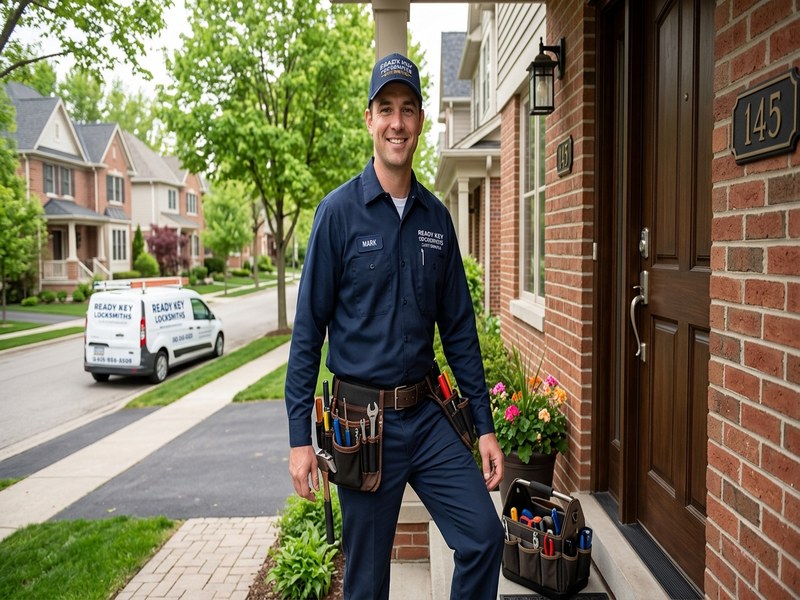
From car lockouts to commercial access systems, here is what locksmiths actually do on the job.
Feedback from readers who used this guide to find and hire a nearby locksmith.
"I was locked out of my car in downtown Chicago and had no idea what to look for. This guide walked me through exactly what questions to ask. Found a licensed locksmith in 5 minutes. Fair price, professional service."
"The pricing guide here set the right expectations. A locksmith quoted $300 for a standard home lockout, which was well above the guide's range. Found a licensed provider for $95 instead."
"The cost table is genuinely useful. I knew exactly what range to expect and wasn't caught off guard. The locksmith I hired was impressed I knew the terminology -- made the whole interaction smoother."
"Really thorough breakdown of smart locks vs traditional. I had been going back and forth for months. The comparison table made it easy. Ended up going with a Grade 1 deadbolt -- no regrets."
Our research covers licensing requirements and typical pricing in all 50 major US metro areas. Click a city to see local information.
Pricing data updated May 2026. State licensing requirements current as of January 2026.

Quick answers to the questions people search most often about finding nearby locksmiths.
Use the checklist in this guide every time. Licensed, reviewed, verified -- those three steps are the foundation of a confident hire.
Our recommendations are based on analysis of state licensing board requirements (all 50 states), pricing surveys from ALOA member data and Angi/HomeAdvisor cost reports (2024-2025), consumer research and service data from ALOA and industry sources, and ANSI/BHMA lock grade standards. We do not accept payment from locksmiths or directories for inclusion in this guide. Read our full methodology.